Best logo design services in Nairobi

  • Home
  • Best logo design services in Nairobi

Best Logo Design Services in Nairobi

At Deprint Kenya, we offer the Best logo design services in Nairobi for businesses that want a clear, distinctive brand identity. Our Professional logo designers in Nairobi work with you to understand your company, your customers, and the story behind your name. As a Logo design company in Nairobi Kenya, we develop logos that suit your business and work across your marketing materials. Whether you are starting a new company or updating an existing identity, our Custom business logo design in Kenya is tailored to your requirements. Through our Creative logo design services in Nairobi, we help you present your business with confidence.

A Logo That Represents Your Business

Your logo should help people recognize your business and understand the impression you want to create. It appears on your website, company profile, packaging, business cards and social media pages, so it needs to work well wherever customers encounter it.
At Deprint Kenya, we take time to understand your business before designing your logo. We ask about what you offer, your customers, and what sets you apart. This helps us choose lettering, colors, and symbols that suit your business.
Our Professional logo designers in Nairobi work with clients who need a completely new logo and those who want to improve an existing design. Throughout the project, we involve you in the decision-making process so that the final identity reflects your business.

Why Professional Logo Design Is Important

A well-designed logo gives your business a recognizable identity. Although a logo alone cannot build customer trust, it helps people identify your company and connect it with their experience of your products or services.
It Helps Attract Customer Attention
Proper lettering and fonts make your logo Unique and distinctive to view
The design should also suit the audience you want to reach. A playful identity may work for one business, while another needs a more formal appearance.
It Creates a First Impression
When clients approach us for the Best logo design services in Nairobi, we consider how their logo will appear at that first point of contact, whether on a shop sign, product label or online page.
It Establishes Your Brand Identity
Your logo introduces the colors, lettering and visual style associated with your business. Applying these elements consistently helps your stationery, company profile and advertising materials look connected.
It Makes Your Business Memorable
A recognizable logo helps customers remember your company after an inquiry, purchase or recommendation. Keeping its appearance consistent across different materials strengthens that recognition.
It Helps You Stand Out from Competitors
Businesses in the same industry often use similar colors and symbols. Our Creative logo design services in Nairobi explore ways to represent your company without making it look like another business.
It Supports Customer Familiarity
Customers become familiar with a brand through repeated experiences. Your logo gives them a visual sign to look for when returning to your business or recommending it to someone else.
Custom Business Logo Design in Kenya
A logo should suit the business it represents. A water brand, a property company, and a hair salon have different customer bases and design requirements.
Our Custom business logo design in Kenya starts with those differences. We consider your company name, the nature of your work, and the materials on which the logo will appear.
For a product business, the logo must remain clear on packaging alongside other information. For a service company, it may need to work across proposals, company profiles and office signage. For a new business, making the name easy to read and remember may be the main priority.

Get a Professional Logo for Your Business

At Deprint Kenya, we understand that every business needs a logo customers can recognize. You may have a name ready but no idea how it should look. You may also have an existing logo that no longer represents the business you run today. We work with you to turn those ideas into a design you can use.
Your logo will appear on different materials, from business cards and company profiles to packaging and social media pages. That is why we consider where you will use it before settling on the lettering, colours and symbol. Whether you are opening a small shop or building an established company, we’ve got you sorted, linking deprint  Kenta as your choice for Logo design company in Nairobi Kenya will not only make your brand known but it will ensure you stand out among competitors

Get Inspiration for Your Logo Design

Not sure which direction to take? Start with what your business does and the customers you want to reach. A restaurant, a property company and a cosmetics brand may each need a different approach.
You can share examples you like and explain what draws you to them. It could be the lettering, a simple symbol or how the colours work together. Our Creative logo design services in Nairobi use that discussion to develop a direction for your own business.

Why Work with Deprint Kenya for Your Logo Design?

A Budget You Can Plan Around
If cost is holding you back, talk to us about what you need. We explain what the quotation covers so you can decide before the work begins. A logo alone and a logo with a full stationery package involve different amounts of work.
Room to Discuss Your Ideas
You know your business, and your input matters. Share the ideas you have, the colours you prefer and anything you want us to avoid. Our Professional logo designers in Nairobi work through those details with you.
Attention for Small and Established Businesses
We believe every business deserves a professional identity. A new business needs a good start, while an established one may need a logo that reflects how far it has grown.
A Design You Can Use Across Your Business
Your logo should work on your everyday materials. We consider your website, signage, invoices, uniforms and printed documents so the final design can serve those needs.

Getting a High-Quality Business Logo

Imagine spending money on a signboard, business cards and a company profile, then realising your logo looks blurred or the name is difficult to read. Getting the design right at the beginning helps you avoid that problem.
A good logo needs more than an attractive colour. The lettering should be clear, the spacing should be balanced and the symbol should make sense for your business. It should also remain recognisable when used at a smaller size.
With our Custom business logo design in Kenya, we consider those details while developing the concepts. We also look at how the logo works on light and dark backgrounds, in full colour and in a single colour.

Five Things to Consider Before Beginning Your Logo Design

1. Your Business Name
Confirm the exact name and spelling you want on the logo. Tell us whether the design should include the full company name, a shorter trading name or initials.
Always share your slogan or tagline at the beginning of the inquiry so that the designer can find a way of incorporating it into the logo
2. Your Target Customers
Who is the target audience? Is it an individual business , or is the business targeting a specific client
Give us a clear picture of your customers and what they expect from your business. This helps us make design choices with a purpose.
3. Your Preferred Style
Some clients prefer a simple name-based logo. Others want a symbol, an emblem or a combination of text and graphics. You do not need to know the design terms. Explain what you like, and we will guide you.
4. Your Colours
You may already have business colours, or you may be starting from scratch. Share your preferences and let us know if any colours need to be retained from an existing identity.
5. Where You Will Use the Logo
Will your logo mainly appear on a website, product packaging, uniforms or a large signboard? Mention these uses early. Small lettering that looks good on a screen may be difficult to reproduce in embroidery or read on a shop sign.

Why a Professional Logo Matters for Your Brand

It Helps Customers Recognize You
Customers may first see your business on a signboard and later come across it online. Using the same logo helps them connect the two.
It Gives Your Materials a Consistent Look
Your quotation, invoice, company profile and business card should look like they belong to the same business. A well-prepared logo gives you a starting point for consistency.
It Supports a Professional Presentation
People notice how a business presents itself. Clear lettering and a well-arranged design show care in your branding. The service or product you provide then builds on that first impression.
As a Logo design company in Nairobi  Kenya, we help you prepare an identity you can use consistently as your business grows.

How to Prepare Your Business for Logo Design

Step 1: Study Your Market
Look at the businesses serving the customers you want to reach. Consider:
  • How they present themselves.
  • What their customers respond to.
  • Which colours and symbols appear repeatedly.
  • How your business can have its own recognizable identity.
The aim is to understand the market while finding a direction that suits you.
Step 2: Choose a Clear Business Name
A name that is easy to say and remember gives the designer a useful starting point. Think about how it will look on your signboard, website and printed materials.
For a long company name, discuss whether a shorter name can be used in the logo while the full name appears elsewhere on your documents.
Step 3: Settle on the Name Before Approving the Design
Please confirm the final name you want us to use on your logo. Changing the name during the design process can affect the font, spacing and overall design.
To protect your brand name, logo or corporate identity, seek advice on the appropriate registration process. Thank you for trusting us with your brand—we appreciate the opportunity to work with you.
Step 4: Prepare Your Design Brief

Tell us what your business does, who you serve and where the logo will appear. Include your preferred colours, any tagline and the examples you want us to look at.

Step 5: Agree on the Scope and Budget
The number of revisions should be confirmed during the initial stage so that the client is aware of the number of revisions he or she expects
Step 6: Work with Your Designer
Once the brief is clear and the agreed deposit is paid, the design work can begin. Our Professional logo designers in Nairobi prepare the first concepts for you to review.

What Our Logo Design Package Covers

The quotation confirms the exact scope of your project. The design work can include the following:
Initial Logo Concepts
We prepare different design directions based on the brief. These give you a chance to compare the lettering, symbols and arrangements before choosing a concept.
Refinement of the Selected Concept
After you choose a direction, we work on the agreed changes. These may involve adjusting the colours, spacing, font or symbol.
Mockup Presentation
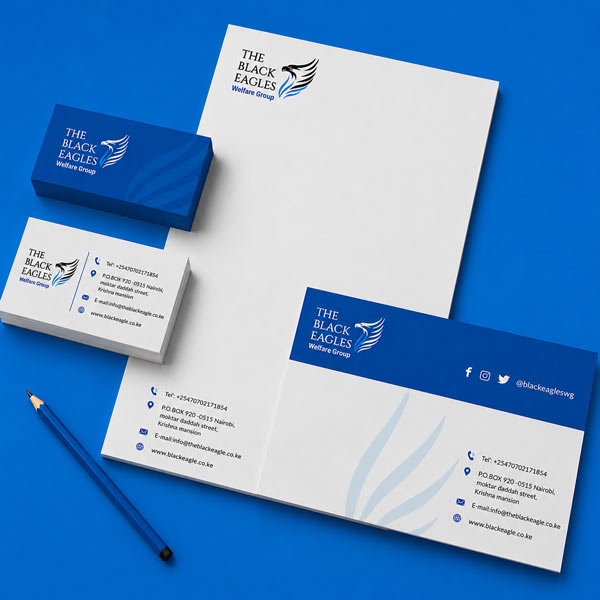
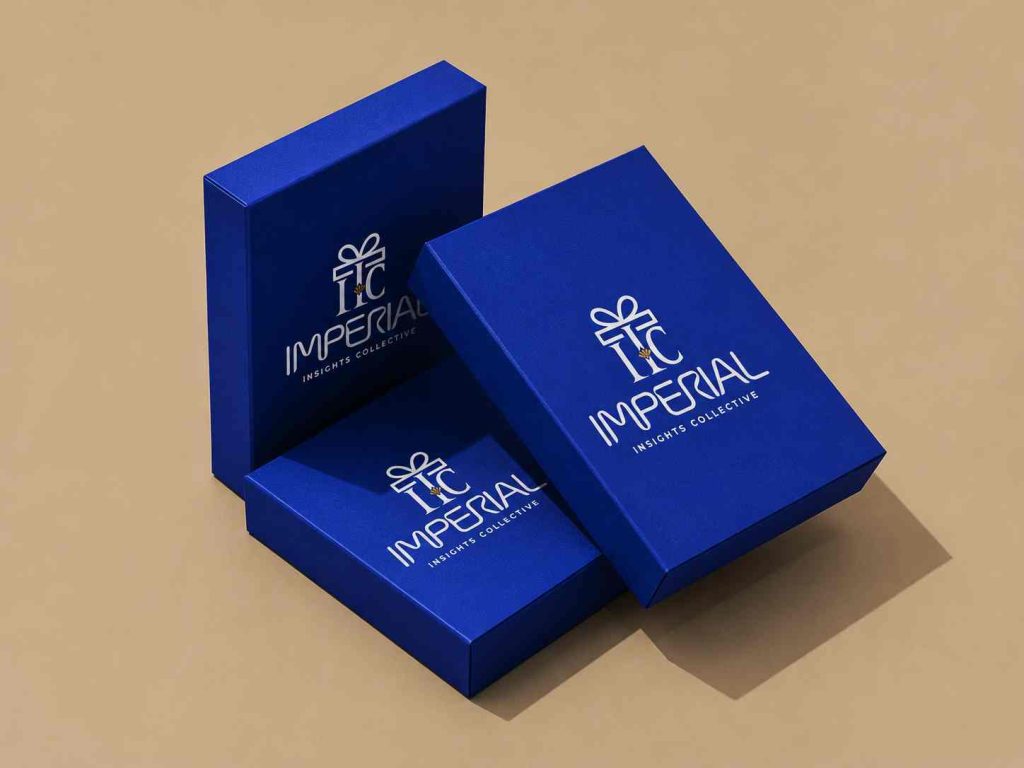
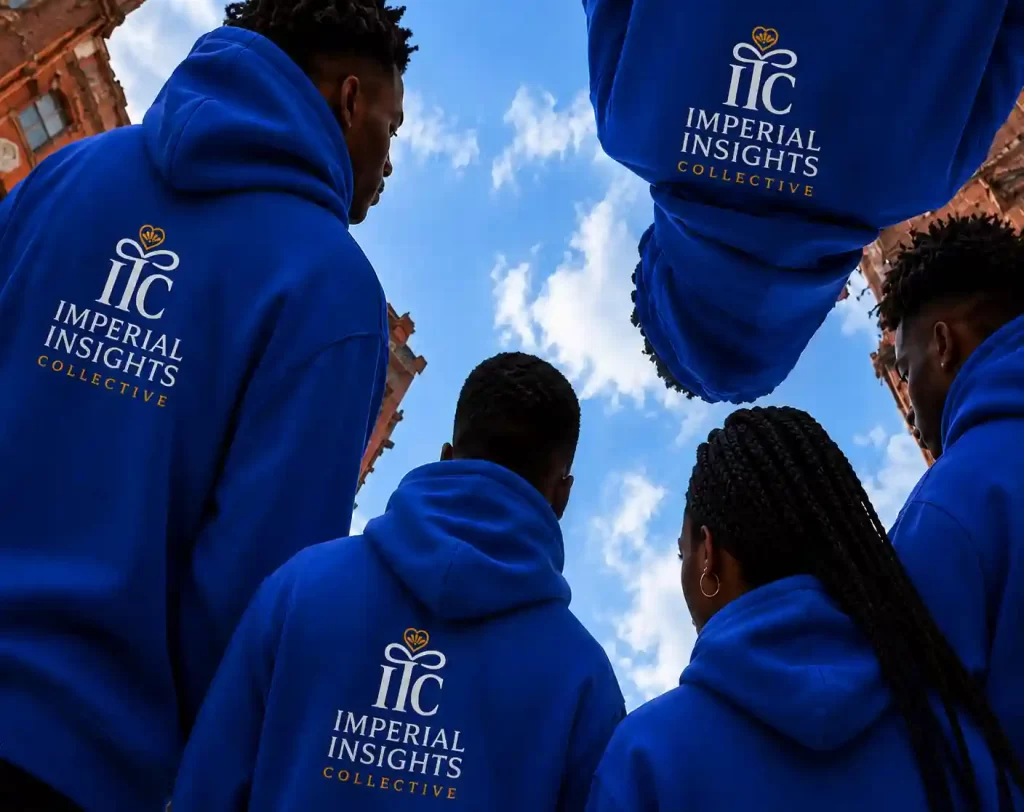
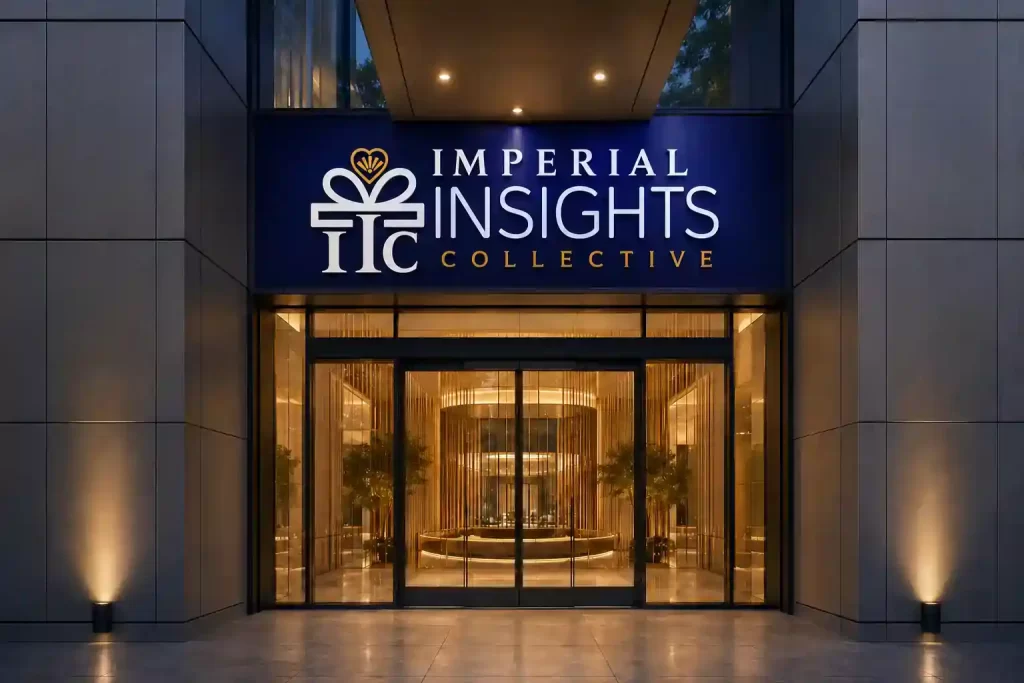
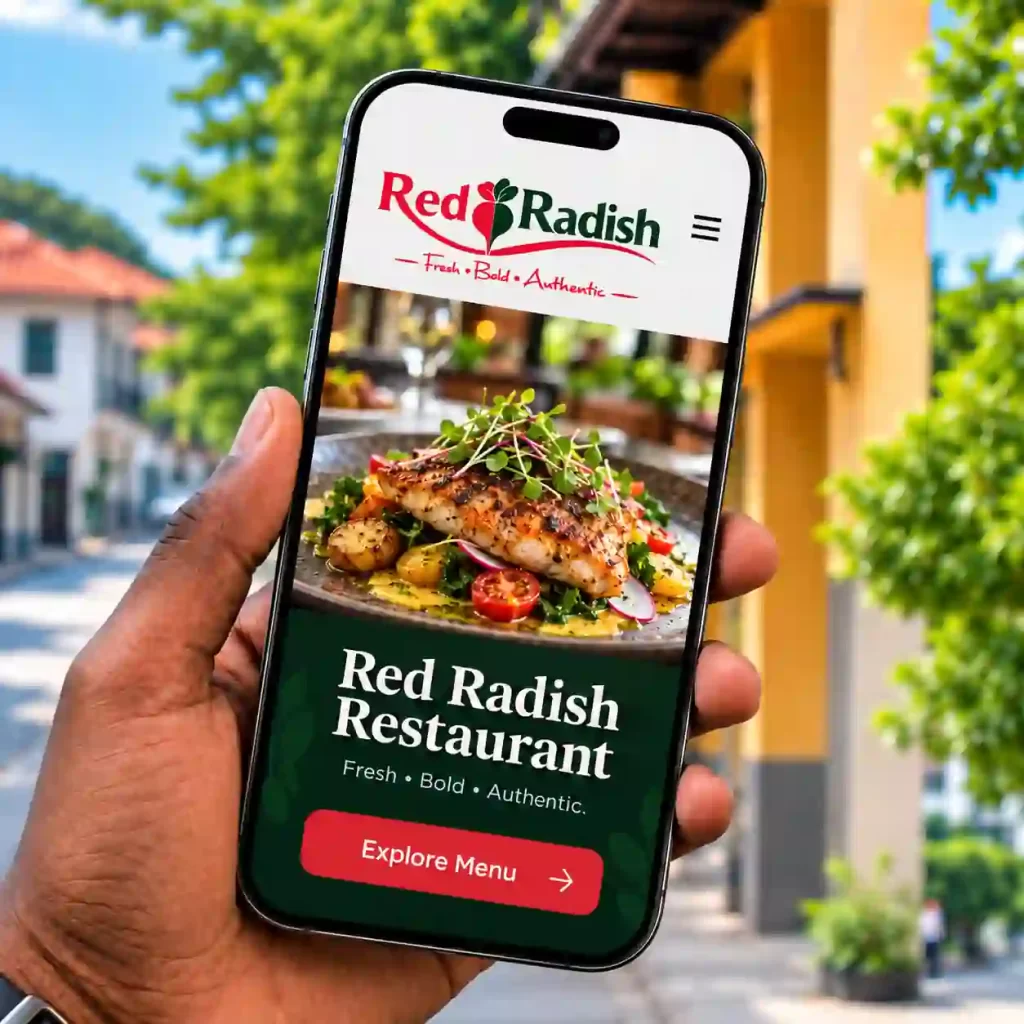
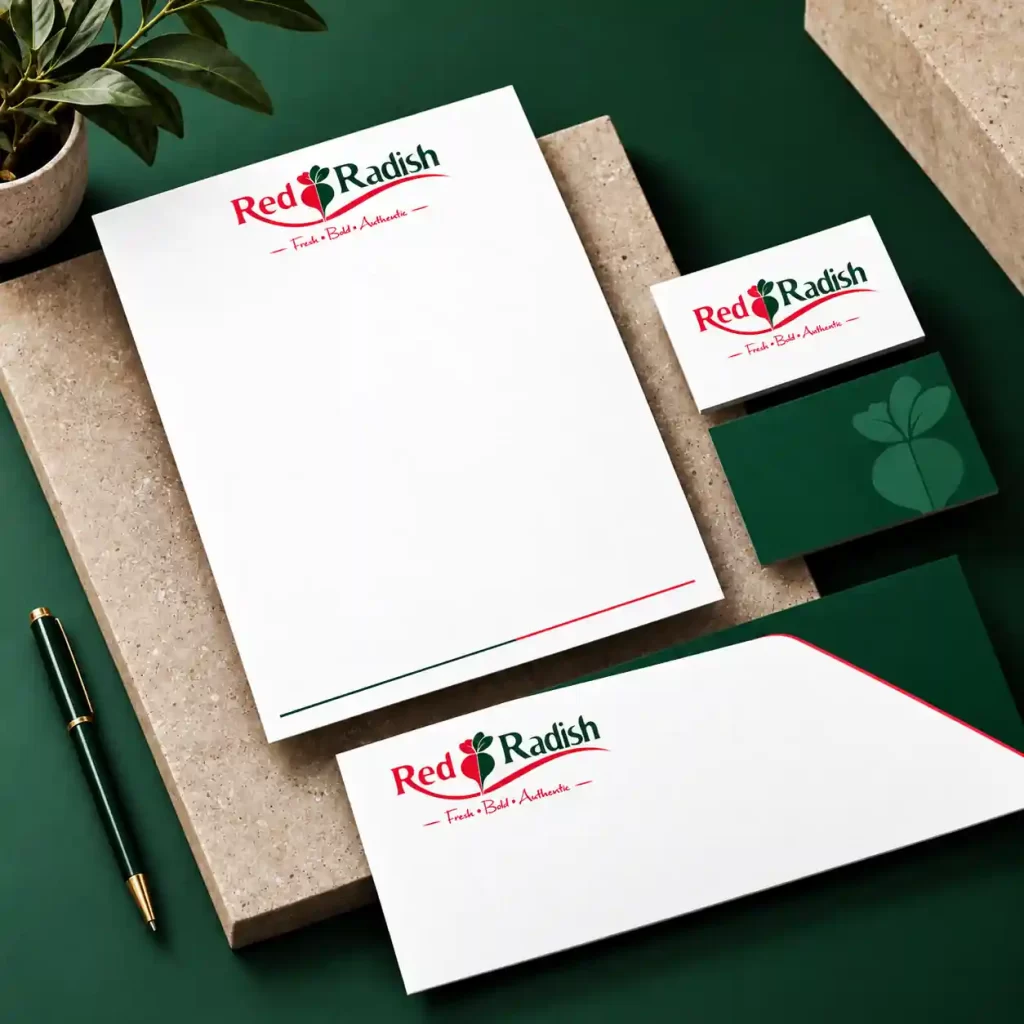
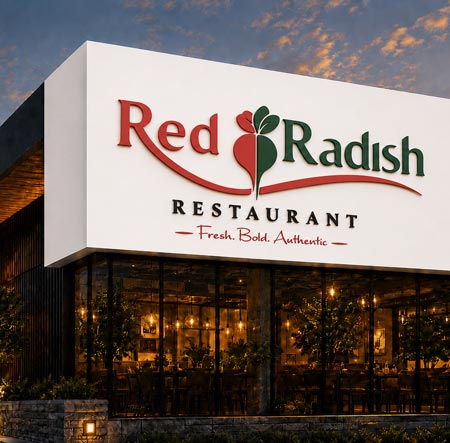
We can show how the design would look on relevant materials, such as a business card, shop sign, company profile or uniform. This helps you judge the logo in a setting closer to how you will use it.
Alternative Logo Versions
Depending on the agreed package, these may include a horizontal layout, a stacked layout, a symbol-only version and versions for light or dark backgrounds.
Final Logo Files
We prepare the approved files for the uses covered in your quotation. Ask about editable vector files, transparent PNGs, print-ready PDFs and any colour guidance you need.

Choosing the Right Logo Designer

Before choosing a designer, look at their previous work. Check whether the business names are readable and whether the designs suit the businesses they represent.
Ask how the designer develops concepts, handles revisions and prepares the final files. A logo may look attractive in a presentation but still be difficult to use if the right files are missing.
When looking for the Best logo design services in Nairobi, consider the whole process: the discussion, the design work, the feedback and the final handover.

Our Logo Design Process at Deprint Kenya

Design Consultation
We begin by discussing your business and what you want the logo to communicate. We also confirm the name, colours, intended uses and design requirements.
Design Research
We look at your industry and the businesses you expect to compete with. This helps us recognise common approaches and develop a suitable direction for your identity.
First Draft Concepts
Using the information you provide, we prepare the initial concepts and send them for your review.
Design Refinement
You select a concept and share your feedback. We then make the agreed adjustments and check the balance, readability and colour choices.
Final Approval
Before preparing the final files, we ask you to confirm the spelling, tagline, colours and selected arrangement.
File Preparation and Handover
We export the approved versions and organise the files so you can share them with your printer, website developer or other service providers.
Our Creative logo design services in Nairobi follow this process so you can see how the design develops and give useful feedback along the way.

Choosing the Right Logo Style

Name-Based Logos
This approach uses the business name as the primary design element. The font, spacing and arrangement give it character. It can suit a business with a clear, memorable name.
Initials and Lettermarks
Initials can be useful when the full name is long. The lettering still needs to be distinctive and readable.
Symbols and Icons
A symbol can give your business a recognizable visual mark. For a new brand, it may help to use the symbol alongside the name as customers get to know it.
Combination Logos
These bring the name and symbol together. Where the design allows, you can also use the individual elements in different places.
Emblems and Badges
An emblem places the name and other elements within a shared shape. It can suit some institutions and businesses, but the details need to remain readable at smaller sizes.
Choosing Colours for Your Logo
Colour affects the overall look of the design. Choose a combination that suits your business and remains clear wherever the logo appears.
A colour that looks bright on your phone may look different when printed. We therefore prepare suitable colour versions for digital and printed use.
It is also useful to have a black version and a white version. These help when you need one-colour printing or when the full-colour logo does not work well against a particular background.
With Custom business logo design in Kenya, the colours are considered together with the lettering and symbol.

Why Logo Size and Proportion Matter

Your logo should be clear and easy to read on billboards, signboards and social media. When it is scaled down, small details may disappear, and the tagline may become difficult to read.
That’s why we check your logo at different sizes, making sure the spacing and proportions work well before finalizing your corporate brand identity.

What Can Go Wrong When a Logo Is Resized Poorly?

The Shape Becomes Distorted
Stretching the logo sideways or making it taller changes its proportions. Resize it evenly so the name and symbol keep their intended shape.
The Name Becomes Difficult to Read
Reducing a logo too far can make thin lettering and small details disappear. Use an appropriate version for the available space.
The Design Looks Blurred
A small image enlarged for a signboard can look pixelated. A vector file is normally the better starting point for large-scale production.
Parts of the Logo Get Cut Off
Placing a logo too close to the edge of printed artwork can lead to trimming problems. Leave suitable space around it and follow the printer’s requirements.

How to Place Your Logo Correctly

Step 1: Choose the Right Version
Pick a logo version that works well with your background. Use a black logo on a light background and a white logo on a dark one. Always check that your logo stands out clearly.
Step 2: Keep the Proportions
When resizing your logo, keep the width and height in proportion. Don’t stretch it to the right, left, up or down. This changes its original shape and makes your brand identity look unprofessional.
Step 3: Leave Space Around It
Keep text, images and page edges far enough away for the logo to remain clear.
Step 4: Check the Size
Look at the logo at its actual intended size. Confirm that the name and any tagline can be read.
Step 5: Review the Final Layout
Before publishing or printing, check the background, alignment and visibility. A good logo still needs to be placed carefully.

Common Logo Design Mistakes to Avoid

Copying Another Business
Using a competitor’s symbol with a different name can make your business difficult to distinguish. Share references as a guide to your preferences, then develop a direction of your own.
Putting Too Much into One Logo
Your logo does not need to show every product or service you offer. Too many symbols and words can make it crowded.
Choosing Difficult Lettering
A decorative font may look attractive but make the business name hard to read. Check the lettering at a small size before approving it.
Relying Only on Colour
The design should still be recognizable when used in one colour. Test that version as part of the approval process.
Approving Only the Mockup
Mockups help you picture the design in use. Also review the plain logo on a simple background so you can judge the actual lettering, spacing and symbol.
Forgetting the Final Files
Confirm which formats are included before the project begins. You will need files suited to the people who will print, publish or reproduce the logo.

Logo File Formats and Their Uses

PDF
A properly prepared vector PDF is useful for sharing logo artwork with printers and other designers. Check that the exported file retains the intended colours and design elements.
Adobe Illustrator Files
An AI file can provide an editable master for future work in Adobe Illustrator. Whether it is included should be confirmed in your package.
SVG
SVG is a vector format that can remain sharp at different sizes. It is useful for many website and digital applications.
EPS
Some printers and production suppliers request EPS files. Confirm their requirements before sending the artwork.
PNG
A transparent PNG is useful when you need to place the logo over a background in presentations, social media designs or documents. It needs to be exported at a suitable size for the intended use.
JPEG
JPEG can be useful for previews or applications that need a solid background. It does not support transparency, and a small JPEG should not be enlarged for large printing.
A Logo design company in Nairobi Kenya should help you understand which file to use rather than leave you guessing after delivery.

Preparing Your Logo for Printing

Confirm the Colour Requirements
Tell your designer what you plan to print. The printer may require CMYK artwork, specified spot colours or a single-colour version.

Use a Suitable File

Check the Background
Confirm whether the logo needs a transparent background, a white background or a reversed version.
Discuss the Production Method
Embroidery, engraving, screen printing and full-colour printing have different limitations. Small gaps and fine lines may need attention before production.

Include the intended size, background and production method. If you have agreed colour references, share those as well.
Avoid sending a screenshot of your logo as the production artwork. Share the approved file and a separate preview if the supplier needs to see the intended appearance.

Elements of a Good Business Logo

The Business Name
The name should be easy to identify. Its arrangement and lettering need to suit the business and the space available.
Typography
Font choice affects the character of the logo. The lettering should work with the symbol and remain legible.
A Purposeful Symbol
If a symbol is included, it should contribute to the design. It may relate directly to the business or represent an idea discussed in the brief.
A Suitable Colour Combination
The colours should work together and remain practical for your intended uses.
Balanced Spacing
The gap between letters, the relationship between the name and symbol, and the surrounding space all affect the final appearance.
A Tagline Where Needed
A tagline can explain what the business does, but it needs enough space to remain readable. A separate version without the tagline can be useful.

Using Your Logo Across Your Business

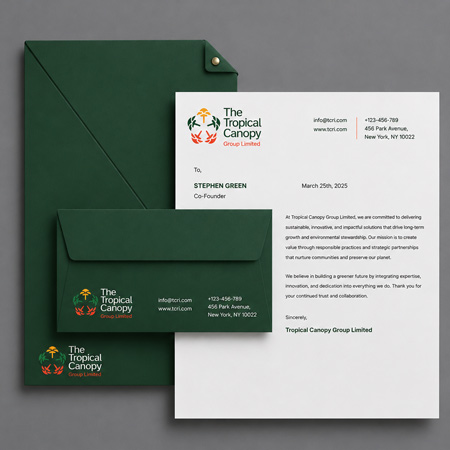
Once approved, your logo can be used on business cards, letterheads, invoices, company profiles, websites, packaging, uniforms, signage and social media materials.
Use the supplied versions consistently. Keep a copy of the master files and share them whenever you commission new artwork.
Our Professional logo designers in Nairobi can also discuss the additional branded materials you need, so the logo and the rest of your presentation work together.

Updating an Existing Logo

Sometimes your current logo needs a few adjustments rather than a completely new design. The lettering may be unclear, the spacing may need attention or the original files may be unsuitable for printing.
Share your existing logo and explain what is no longer working. Tell us which parts customers already recognize and which parts you would like to change.
Our Custom business logo design in Kenya also covers discussions about refreshing an existing identity while retaining the elements that still serve your business.

Ready to Work with Deprint Kenya?

Share your business name, what you do and the kind of customers you want to reach. Let us know where you will use the logo and any ideas you already have. We will discuss the scope, quotation and next steps with you.

At Deprint Kenya, our Best logo design services in Nairobi begin with understanding what your business needs. Our Professional logo designers in Nairobi guide you from the first ideas to the approved files. As a Logo design company in Nairobi Kenya, we help you prepare an identity you can use across your business materials. Talk to us about Custom business logo design in Kenya, whether you are starting a business or refreshing an existing logo. With our Creative logo design services in Nairobi, we work with you to give your business a clear, recognisable look.

Custom Business Logo Design in Kenya

A logo should suit the business it represents. A water brand, a property company, and a hair salon have different customer bases and design requirements.
Our Custom business logo design in Kenya starts with those differences. We consider your company name, the nature of your work and the materials on which the logo will appear.
For a product business, the logo must remain clear on packaging alongside other information. For a service company, it may need to work across proposals, company profiles and office signage. For a new business, making the name easy to read and remember may be the main priority.
If you already have a logo, we discuss which features your customers recognize and what you would like to change. This helps us decide whether to refine the existing identity or develop a new direction.

Types of Logos We Design

The right logo style depends on your business name, audience, and intended use. During the consultation, we help you consider the options that suit your brief.
Lettermark or Monogram Logos
These logos use initials rather than the full business name. They can suit companies with long names, provided the letters remain clear and distinctive.
A new business may also need to display its full name alongside the initials while customers become familiar with the brand.
Wordmark Logos
A wordmark uses the company name as the main design. Its character comes from the lettering, spacing, and arrangement.
This approach can work well when you want customers to remember and recognize your business name.
Symbol Logos
A symbol logo uses a visual mark to represent the business. The symbol can relate to your services or express an idea associated with your brand.
Our Professional logo designers in Nairobi consider whether the mark remains understandable and recognizable when reduced to a small size.
Abstract Logos
Abstract logos use shapes and forms rather than a literal picture of a product or service. They require careful development so the design feels appropriate to the business and has a clear explanation behind it.
Combination Logos
A combination logo combines a business name with a symbol. This arrangement can give you flexibility across signage, stationery, packaging and social media.
Mascot Logos
Mascot logos use an illustrated character to represent a brand. They can suit businesses that want a friendly or humorous personality, particularly when the character will also appear in advertising.
Emblem Logos
An emblem places the name within a badge or defined shape. This style can suit schools, associations and businesses seeking a formal identity. The lettering and detail must remain readable at the sizes required.

Our Logo Design Process

As a Logo design company in Nairobi  Kenya, we follow a clear process from the first consultation to the preparation of your approved files.
1. Understanding Your Business
We begin with your business name, products or services, target customers, and reasons for commissioning the logo.
We also discuss your preferences. You may already have colors, symbols, or lettering styles in mind. If you do not, we help you explore suitable directions.
2. Agreeing on the Project Scope
Before work begins, we confirm your chosen package, the number of concepts, the revision allowance and the files you need.
We also agree on the payment terms and expected timeline. A complete brief and the agreed deposit allow us to begin the design work.
3. Researching and Developing Ideas
We review your brief and consider the visual styles used in your industry. This helps us understand the market and avoid developing an identity that is too close to a competitor’s logo.
We then explore sketches, lettering, and arrangements that could suit your business.
4. Presenting the Logo Concepts
We develop the selected ideas into concepts for you to review. The number of concepts depends on your package.
Our Creative logo design services in Nairobi offer considered options to choose from, with attention to how each option represents your company.
5. Refining Your Preferred Design
Once you select a concept, we make adjustments based on your feedback and the agreed revision scope.
In addition, our revision changes include color adjustments, fonts and typography, and ensuring the final file is appealing
6. Preparing the Final Files
After you approve the logo and clear the remaining balance, we prepare the final files included in your package.
These may include PDF, JPEG, and PNG versions. If you need vector files or a particular format for printing, tell us before the project begins so it can be included in the quotation.

What Makes a Professional Logo Work Well?

A Clear Design
A logo needs to remain recognizable without relying on excessive detail. We consider which elements are necessary and how they work together.
Readable Typography
The business name should be easy to read. The typeface must suit the brand, while the spacing and proportions should keep the lettering clear.
Suitable Colours
Color choices should reflect the business and work across the intended materials. We also consider how the design will appear on light and dark backgrounds.
Where specific print colors are required, these should be discussed during the project.
A Strong Black-and-White Version
Your logo may appear on a stamp, photocopy, or single-color print. Checking the design in black and white helps us assess whether its main features remain clear.
Scalability
A professional logo should work on both small items and larger displays. Our Custom business logo design in Kenya is suitable for applications such as product stickers, business cards, uniforms, and signage.
Balanced Proportions
The symbol and lettering should feel connected. Careful alignment and spacing help the final design look consistent across different uses.

Our Logo Design Process

As a Logo design company in Nairobi  Kenya, we follow a clear process from the first consultation to the preparation of your approved files.
1. Understanding Your Business
We begin with your business name, products or services, target customers, and reasons for commissioning the logo.
We also discuss your preferences. You may already have colors, symbols, or lettering styles in mind. If you do not, we help you explore suitable directions.
2. Agreeing on the Project Scope
Before work begins, we confirm your chosen package, the number of concepts, the revision allowance and the files you need.
We also agree on the payment terms and expected timeline. A complete brief and the agreed deposit allow us to begin the design work.
3. Researching and Developing Ideas
We review your brief and consider the visual styles used in your industry. This helps us understand the market and avoid developing an identity that is too close to a competitor’s logo.
We then explore sketches, lettering, and arrangements that could suit your business.
4. Presenting the Logo Concepts
We develop the selected ideas into concepts for you to review. The number of concepts depends on your package.
Our Creative logo design services in Nairobi offer considered options to choose from, with attention to how each option represents your company.
5. Refining Your Preferred Design
Once you select a concept, we make adjustments based on your feedback and the agreed revision scope.
In addition, our revision changes include color adjustments, fonts and typography, and ensuring the final file is appealing
6. Preparing the Final Files
After you approve the logo and clear the remaining balance, we prepare the final files included in your package.
These may include PDF, JPEG, and PNG versions. If you need vector files or a particular format for printing, tell us before the project begins so it can be included in the quotation.

What Makes a Professional Logo Work Well?

A Clear Design
A logo needs to remain recognizable without relying on excessive detail. We consider which elements are necessary and how they work together.
Readable Typography
The business name should be easy to read. The typeface must suit the brand, while the spacing and proportions should keep the lettering clear.
Suitable Colours
Color choices should reflect the business and work across the intended materials. We also consider how the design will appear on light and dark backgrounds.
Where specific print colors are required, these should be discussed during the project.
A Strong Black-and-White Version
Your logo may appear on a stamp, photocopy, or single-color print. Checking the design in black and white helps us assess whether its main features remain clear.
Scalability
A professional logo should work on both small items and larger displays. Our Custom business logo design in Kenya is suitable for applications such as product stickers, business cards, uniforms, and signage.
Balanced Proportions
The symbol and lettering should feel connected. Careful alignment and spacing help the final design look consistent across different uses.

How Long Does Logo Design Take?

At Deprint Kenya, the first draft usually takes 3–4 working days after we receive a complete brief and the agreed deposit.

You then have an opportunity to review the concepts and select the direction you prefer. Revisions follow according to your feedback and package.

The final completion date depends on the changes required and how quickly feedback is provided. If you have a launch date or printing deadline, share it during the consultation so we can agree on a realistic schedule.

Our Professional logo designers in Nairobi take the time needed to refine the selected concept before preparing the approved files.

How Much Do Our Logo Design Services Cost?

Deprint Kenya offers Bronze, Silver and Gold logo design packages. The cost depends on the package and the scope of work, including the number of concepts, revisions and deliverables.

A business that needs a logo for stationery may have different requirements from one preparing packaging, signage and a wider brand identity.

If you are comparing the Best logo design services in Nairobi, check what each quotation includes. Ask about the design options, revision allowance, final formats and any additional branding items.

Send us a description of your project, and we will explain the available packages before you decide.

What We Need Before Designing Your Logo

A clear brief helps us understand your expectations and reduces unnecessary changes later.

Please share:

  • Your exact business name and spelling.
  • A short description of your products or services.
  • The customers you want to reach.
  • Your slogan, if it should appear in the design.
  • Preferred colours and any colours to avoid.
  • Symbols or ideas you would like us to explore.
  • Your existing logo, if you need a redesign.
  • The main places where you will use the logo.
  • Your preferred completion date.

You can also provide examples of styles you like and explain what appeals to you about them. These references help communicate your preferences while we develop an identity for your own business.

Questions We Ask During the Consultation

Our Custom business logo design in Kenya is guided by information about your company. Some of the questions we discuss include:

Why Do You Need a New Logo?

You may be starting a company, changing your business name or updating an identity that no longer suits your services.

Understanding the reason helps us establish what the new design needs to achieve.

Who Are Your Customers?

We discuss the people or organisations you want to reach. Their expectations help inform the visual direction.

What Should People Associate with Your Business?

You may want your identity to communicate reliability, creativity, affordability or a particular area of expertise. We discuss what matters most rather than trying to express every quality in one symbol.

Where Will the Logo Appear?

Packaging, social media, signage and printed documents have different requirements. Knowing these uses early helps us develop a practical design.

What Should We Retain or Avoid?

For a redesign, we ask which existing features still matter. We also discuss colours, symbols or styles you do not want to use.

Why Work with Deprint Kenya?

Choosing a Logo design company in Nairobi Kenya involves reviewing the work, understanding the process and checking that the service suits your requirements.

At Deprint Kenya, we involve you from the initial brief through to the review of your selected concept. We explain the package, discuss your feedback and consider how the logo will be used.

Our work also includes label, packaging and company profile design. This gives us practical insight into how a logo needs to fit within other business materials.

You can discuss the logo on its own or include related design work in your quotation.

Other Design Services We Offer

Alongside our Creative logo design services in Nairobi, Deprint Kenya provides:

Applying your identity consistently across these materials helps customers recognise your business wherever they encounter it.

Start Your Logo Design Project

If you are looking for the Best logo design services in Nairobi, contact Deprint Kenya to discuss your business and the identity you want to create. Our Professional logo designers in Nairobi will help you choose a suitable direction and explain the available packages. As a Logo design company in Nairobi Kenya, we offer Custom business logo design in Kenya for new businesses and established brands updating their image. Share your company name, services and preferences, and let our Creative logo design services in Nairobi help you develop a logo you can use confidently across your business materials.

Frequently Asked Questions (FAQ)

1. What does Deprint Kenya offer for logo design?

Deprint Kenya develops new logos and refreshes existing designs, using your business story and feedback to guide the work.

2. Can you design a logo for a new business?

Yes. Share your business name, products or services, and intended customers so the design starts with a clear brief.

3. Can you redesign my existing logo?

Yes. Send your current logo and explain what needs to change, including any colours or features you want to retain.

4. Why does my business need a professional logo?

A professional logo gives customers a recognisable visual reference for your business across its marketing materials.

5. How does a logo support brand identity?

Your logo introduces the colours, lettering and shapes that help define the visual identity of your business.

6. Can a logo communicate my company story?

Yes. A carefully chosen symbol, typeface or visual idea can reflect an important part of your company story.

7. Will a logo help my business stand out?

A distinctive logo helps customers recognise your business and distinguish its identity from similar brands.

8. Does a good logo guarantee more sales?

No. A logo supports recognition and presentation, while sales also depend on your offer, service and marketing.

9. How do I choose logo designers in Kenya?

Review their work, discuss their process, and ask about concepts, revisions, file formats and the scope of the quotation.

10. What should I ask before hiring a logo design company?

Ask what the package includes, how feedback is handled, when the work is expected, and which final files you will receive.

11. What information do you need before designing my logo?

Provide your exact business name, what you sell, who you serve, your design preferences and where the logo will be used.

12. Why do you need my company background?

Your company background helps the designer create an identity that relates to your business rather than a random decorative image.

13. Should I explain the meaning of my business name?

Yes. The meaning or origin of your name can provide useful ideas for symbols, lettering and the overall direction.

14. Why does my target audience matter?

Your audience helps guide choices such as visual tone, readability and style so the logo suits the people you want to reach.

15. Should I share my company mission?

Yes. Your mission helps explain the purpose behind the business and the message your identity should support.

16. How do my business values influence the design?

Your values help guide the personality of the logo, such as whether it should feel formal, welcoming, practical or playful.

17. Should I tell you about my competitors?

Yes. Competitor examples help explain your market and identify visual directions your brand should avoid repeating.

18. Can I share logos I like as references?

Yes. Explain what you like about each reference, such as the lettering or simplicity, so it guides the discussion without becoming a copy.

19. What if I do not have a clear logo idea?

Start with your business story and intended audience. These details can help the designer develop suitable directions for you to review.

20. Should I list all the places I will use the logo?

Yes. Mention websites, social media, print materials, signage and merchandise so practical requirements are considered from the beginning.

21. How does the logo design process work?

The process moves from consultation and research to initial concepts, client feedback, revisions and preparation of the approved files.

22. What happens during the first consultation?

You discuss your business, audience, goals and preferences so the designer understands the purpose of the new logo.

23. Why is research needed before logo concepts?

Research helps the designer understand your market, assess similar identities and develop ideas that suit your business.

24. Do logo designers start with sketches?

Sketches help explore different shapes, lettering and arrangements before selected ideas are developed digitally.

25. What is a logo concept?

A logo concept is a proposed visual direction that shows one way to represent your business name and identity.

26. How many logo concepts will I receive?

The number of concepts depends on the package selected. Confirm the included number when requesting your quotation.

27. How should I compare different concepts?

Compare how each concept fits your business, reads at smaller sizes and works across the places you intend to use it.

28. Should I choose the most detailed logo concept?

Choose the concept that communicates clearly. Extra detail is useful only when it remains readable and serves the identity.

29. Can I explain why a concept does not work for me?

Yes. Specific feedback about lettering, colours, symbols or layout helps the designer understand which changes you need.

30. When is my logo ready for final files?

Final files are prepared after you approve the design and confirm details such as spelling, colours and the required versions.

31. How many logo revision opportunities does Deprint Kenya mention?

The logo design page mentions at least four revision opportunities. Confirm how these apply to your chosen package before work begins.

32. What is a logo revision?

A revision is an adjustment to a proposed design based on your feedback, such as changing colours, spacing or lettering.

33. What feedback is most useful for a revision?

Describe the specific element you want changed and why. Clear feedback gives the designer a practical direction to follow.

34. Can I request a different font during revisions?

Discuss the lettering change with the designer and explain the appearance or readability you want to improve.

35. Can I request a different colour scheme?

Discuss the colours you prefer and where the logo will appear so the revised scheme can be assessed in context.

36. Can the symbol be adjusted after I review it?

Point out the part of the symbol that needs adjustment and discuss whether the change fits the selected concept and package.

37. Is a completely new concept the same as a revision?

A new concept changes the design direction, while a revision develops an existing idea. Confirm how each is handled in your package.

38. How can I avoid conflicting feedback from my team?

Gather comments into one agreed response and appoint one person to communicate the final decisions to the designer.

39. What should I check before approving the logo?

Check the business name, spelling, readability, colours, symbol and layout, including how the logo appears at smaller sizes.

40. Can I request changes after final approval?

Contact Deprint Kenya with the required changes. Agree on the scope, timing and any additional cost before the update begins.

41. What types of logos are discussed on the page?

The page discusses lettermarks, logotypes, symbol logos, abstract logos, mascots and emblems as possible design approaches.

42. What is a lettermark logo?

A lettermark uses the initials of a business or organisation as the main identifying element.

43. When is a lettermark useful?

A lettermark can simplify a long business name, especially when customers already recognise the initials.

44. Should a new business use initials alone?

Initials may need the full business name alongside them until customers become familiar with the identity.

45. What is a logotype?

A logotype, also called a wordmark, uses the business name as the main design element, with carefully selected or developed lettering.

46. When should I consider a wordmark logo?

Consider a wordmark when you want the business name to be the main focus and it can remain readable in everyday use.

47. What is a symbol logo?

A symbol logo uses a recognisable visual mark to represent the brand, sometimes accompanied by the business name.

48. What is an abstract logo?

An abstract logo uses shapes or forms to express a brand idea without depicting a literal object.

49. What is a mascot logo?

A mascot logo uses a character to express the personality of a business or organisation.

50. What is an emblem logo?

An emblem places lettering within a badge, crest or similar enclosing shape, bringing the name and symbol into one mark.

51. How do I choose the right type of logo?

Consider your business name, audience, brand personality and usage requirements, then assess suitable styles with the designer.

52. Can a logo combine my name and a symbol?

Yes. A name and symbol can work together when both remain clear and the arrangement suits your intended uses.

53. Does my logo need to show the product I sell?

No. A logo can represent your business through lettering or an abstract idea instead of showing a literal product.

54. Should I include every business service in the logo?

Usually, a focused identity is easier to recognise than a design that tries to illustrate every service.

55. Can my logo include a meaningful personal detail?

Mention the detail in your brief and explain its relevance so the designer can assess how it fits the business identity.

56. What makes a logo memorable?

A clear visual idea, distinctive lettering and consistent use make a logo easier for customers to recognise and remember.

57. Why is simplicity useful in logo design?

Simple forms are often easier to read, reproduce and recognise at different sizes and across different materials.

58. How can my logo reflect my business personality?

The combination of shapes, lettering and colours can suggest qualities such as confidence, friendliness or creativity.

59. Should my logo follow current design trends?

Trends can provide ideas, but your logo should suit the business and remain practical beyond a short-lived visual fashion.

60. Can a logo suit both younger and older customers?

Yes. Clear lettering and an appropriate visual tone can help the identity remain accessible to different age groups.

61. How are logo colours selected?

Colours are selected to suit the brand identity and work across the screens, backgrounds and materials where the logo will appear.

62. Can I suggest my preferred brand colours?

Yes. Share your preferred colours and explain whether they already appear in your business materials.

63. Why should a logo work in black and white?

A black-and-white version tests whether the identity remains recognisable without relying on colour differences.

64. What is a grayscale logo?

A grayscale logo uses shades of grey instead of colour. It helps assess contrast and reproduction in monochrome applications.

65. How many colours should my logo use?

Use enough colours to support the identity without making it difficult to reproduce or read. The right number depends on the design.

66. Why does background contrast matter?

Good contrast keeps the logo visible. A version that works on white may need adjustment for a dark or coloured background.

67. Do I need a version for dark backgrounds?

If you will use dark backgrounds, ask for a suitable version so the name and symbol remain visible.

68. Why is typography important in a logo?

Typography affects readability and character. The lettering should match the brand and remain clear in the sizes you need.

69. Should I choose a decorative font for my logo?

Choose decorative lettering only when it suits the business and stays readable. Appearance should not make the name difficult to understand.

70. Can poor spacing affect how a logo looks?

Yes. Uneven spacing can make lettering feel disconnected or crowded, so alignment and spacing need careful attention.

71. Which final logo file formats are mentioned on the page?

The page lists PDF, JPEG and PNG as final delivery formats. Confirm any additional files you need in your quotation.

72. How are the final logo files delivered?

The page describes sending final files by email. Confirm the correct email address and the agreed file list before delivery.

73. What is a PNG logo useful for?

PNG is useful for digital applications and can support a transparent background when the file is exported that way.

74. What is a JPEG logo useful for?

JPEG is useful for many everyday image applications, but it does not support a transparent background.

75. What is a PDF logo useful for?

PDF is useful for sharing artwork and some print workflows. Ask whether the supplied PDF contains vector artwork if scaling is important.

76. What is a vector logo?

A vector logo uses paths and shapes that can be enlarged without the pixelation associated with raster images.

77. Does a PDF always contain a vector logo?

No. A PDF can contain either vector artwork or pixel-based images, so the file extension alone does not confirm scalability.

78. Are SVG or editable source files included?

The page does not specify SVG or editable source-file delivery. Ask whether these are available and included in your selected package.

79. Can I request a transparent logo background?

Include this requirement in your brief and confirm the transparent export is part of the agreed final deliverables.

80. How should I store my final logo files?

Keep a backed-up master folder with the approved files and clearly label versions for different backgrounds and uses.

81. Can I use my logo on a website?

Yes. Use a suitable digital file and check that the logo remains readable against the website background and on smaller screens.

82. Can I use the same logo on social media?

Yes. Choose an arrangement that fits the profile or post area without cropping important lettering or symbols.

83. Can my logo be used on business cards?

Yes. Check the design at the actual card size and supply the file format requested by the printer.

84. Can my logo appear on merchandise?

Yes. Confirm the production method and size with the supplier so the appropriate artwork version can be prepared.

85. What should I check before using a logo on a billboard?

Check scalability, contrast and readability at a distance, and confirm the artwork requirements with the billboard supplier.

86. Why does a logo need to be scalable?

A scalable logo stays clear across applications ranging from small digital icons to larger printed displays.

87. How do I check whether my logo works at a small size?

View it at the smallest intended size and check whether the name, symbol and important details remain distinguishable.

88. Should I stretch a logo to fit a space?

Resize the logo proportionally. Stretching its width or height changes the shapes and lettering of the approved design.

89. How much space should I leave around my logo?

Leave enough clear space to separate the logo from surrounding text and images. Ask for guidance suited to the final design.

90. Why should I use the same approved logo consistently?

Consistent use helps customers recognise your business and keeps its identity coherent across different marketing materials.

91. How long does logo design take?

Timing depends on complexity, the package and revision needs. Agree on the expected schedule with Deprint Kenya before work begins.

92. Why can revisions affect the delivery time?

Each revision requires changes and another review. The amount of feedback and time taken to approve it can affect the schedule.

93. Does the page publish a fixed logo design price?

No fixed price is stated in the page content reviewed. Request a quotation based on your brief and required deliverables.

94. What should I send when asking for a logo quotation?

Send your business name, a short description, preferred direction, intended uses and required files so the scope can be discussed clearly.

95. How do I confirm what a logo package includes?

Request a written breakdown of concepts, revisions, final files, timing and any additional services before accepting the quotation.

96. Are payment terms stated on the logo design page?

The page content reviewed does not specify payment terms. Confirm the deposit and balance arrangements directly before starting.

97. Can I request a logo design deadline?

Share your deadline before booking so Deprint Kenya can assess the work and agree on a realistic schedule.

98. What can I do to help keep the project moving?

Provide a complete brief, respond with clear consolidated feedback and confirm approvals promptly.

99. What should I agree on before a logo redesign begins?

Agree on the elements to retain, the changes needed, the intended applications and the scope of the final deliverables.

100. How do I contact Deprint Kenya about a logo?

Call or WhatsApp +254 734 922785, the number displayed on the page, and share your business details and logo requirements.

Shopping Cart (0 items)
error: Content is protected !!